TL;DR:
- Driving Iceland’s Ring Road is a 16 to 17-hour loop connecting major regions, but most travelers need 7 to 10 days to explore the attractions properly. The route spans approximately 1,322 kilometers and offers diverse landscapes including waterfalls, glaciers, fjords, and volcanic plains, accessible year-round with seasonal driving considerations. Planning involves selecting the best season, vehicle type, and itinerary with flexible days to enjoy Iceland’s natural wonders without rushing.
You can technically drive Iceland’s Ring Road in under 17 hours. Most travelers who try that never actually see Iceland. Iceland’s Route 1, officially called Þjóðvegur 1 or Hringvegur, forms a complete loop around the entire island and connects nearly every major region, town, and natural wonder worth visiting. Whether you have 7 days or 14, understanding what the Ring Road Iceland actually is before you start planning will save you from the single most common mistake travelers make: treating a geography lesson like a road trip.
Table of Contents
- Understanding Iceland’s Ring Road: Route 1 basics and geography
- When and how to drive the Ring Road: Schedule, vehicle, and season tips
- Key attractions and regions along the Ring Road
- Planning your Ring Road trip: Expert tips and common pitfalls
- Rethinking the Ring Road: What most travelers miss about Iceland’s iconic route
- Start your Ring Road adventure with Tripiceland
- Frequently asked questions
Key Takeaways
| Point | Details |
|---|---|
| Route 1 overview | Iceland’s Ring Road is a 1,322 km fully paved highway circling the island connecting major towns and regions. |
| Ideal trip length | While drivable in about 17 hours, 7 to 10 days are recommended for a comfortable sightseeing-focused journey. |
| Seasonal vehicle needs | 2WD cars suffice in summer; 4×4 vehicles are essential in winter and for accessing highland detours. |
| Attraction spread | The Ring Road passes near many top natural landmarks requiring planning for detours like the Golden Circle. |
| Budget guidance | Daily costs for two travelers vary between $150 and $350 depending on season, accommodation, and activities. |
Understanding Iceland’s Ring Road: Route 1 basics and geography
Route 1 is not just a highway. It is the backbone of travel in Iceland, a single road that circles the entire country and ties together coastlines, glacier edges, volcanic plains, fishing villages, and geothermal valleys into one continuous route. The full loop distance is approximately 1,322 kilometers, or 821 miles, making it one of the most geographically varied road trips you can take anywhere in the world.
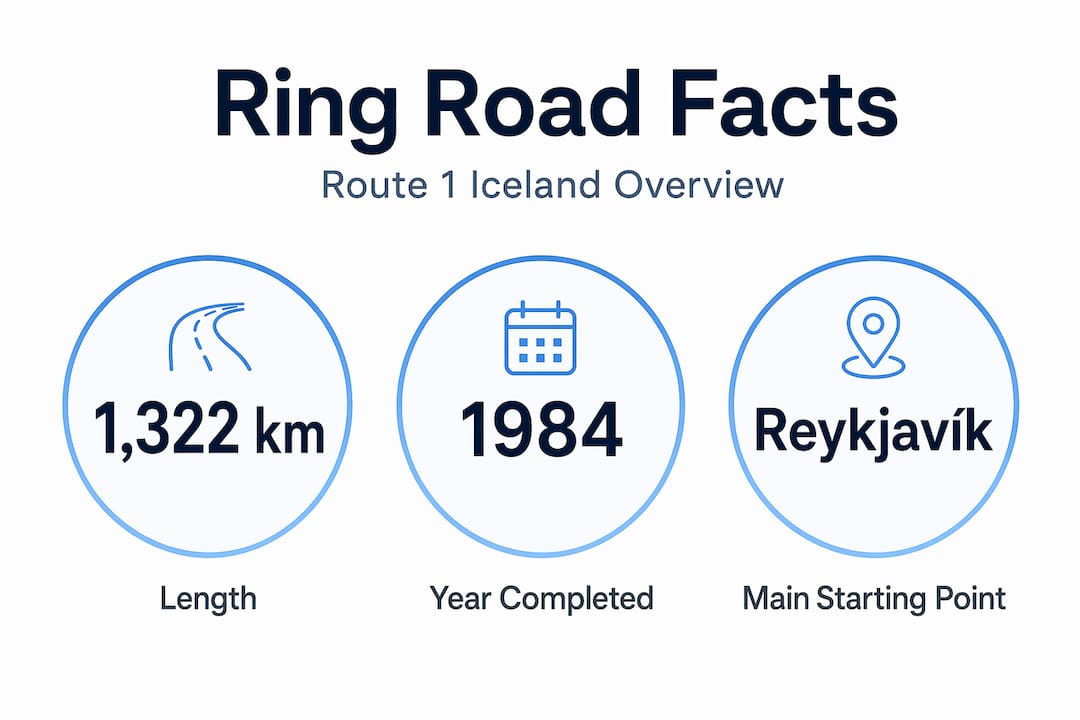
The road connects major population centers including Reykjavík, Akureyri (Iceland’s second-largest city in the north), Egilsstaðir in the east, Höfn near the glacier lagoons, and Vík on the dramatic southern coastline. These are not just waypoints. Each hub anchors a cluster of landmarks and serves as a natural basecamp for side explorations.
Here is a quick breakdown of the Ring Road’s geographic coverage:
| Region | Key towns | Signature landscapes |
|---|---|---|
| South Coast | Vík, Selfoss | Black sand beaches, waterfalls, glaciers |
| East Fjords | Egilsstaðir, Djúpivogur | Fjord cliffs, fishing harbors, quiet valleys |
| North Iceland | Akureyri, Mývatn | Geothermal fields, lava formations, whale watching |
| West Iceland | Borgarnes, Snæfellsnes access | Lava fields, historic sagas, coastal scenery |
What makes Iceland’s Ring Road guide material so compelling is the sheer diversity packed into a single route. Within a few hundred kilometers you can move from black sand beaches at Reynisfjara to volcanic desert and then to fjord coastlines. That shift is not gradual. It is dramatic and sudden, which is what makes driving the Ring Road feel unlike any other road trip.
Key facts about the Ring Road at a glance:
- Total length: approximately 1,322 km (821 miles)
- Fully paved for the entire loop
- Starts and ends in Reykjavík for most travelers
- Connects all major towns and most tourist hubs
- Provides access to South Coast, East Fjords, North, and West Iceland
- Serves as the gateway to optional detours including the Golden Circle
For most travelers, the Ring Road overview begins with these numbers. But the numbers only tell part of the story. You can read more about how best bus tours in Iceland complement a Ring Road itinerary for those who prefer guided stops over self-navigation.
When and how to drive the Ring Road: Schedule, vehicle, and season tips
The most important number in any Ring Road overview Iceland conversation is not the mileage. It is time. Driving the full loop without stops takes about 16 to 17 hours. But every experienced traveler and guide will tell you to budget 7 to 10 days at minimum. The landmarks are not visible from the car window. They require parking, walking, and in some cases, guided access.
Seasonal conditions change almost everything about how you approach this trip.
| Season | Road condition | Recommended vehicle | Daylight hours |
|---|---|---|---|
| Summer (June–Aug) | Clear, fully accessible | 2WD sufficient | Nearly 24 hours |
| Fall (Sept–Oct) | Mostly clear, some wind | 2WD to 4×4 | 12–18 hours |
| Winter (Nov–Mar) | Snow, ice, possible closures | 4×4 required | 4–6 hours |
| Spring (April–May) | Improving, some wet roads | 2WD to 4×4 | 12–20 hours |
Route 1 stays paved and generally open year-round, but winter brings legitimate hazards. Snowstorms can temporarily close segments, and black ice on coastal stretches is a real risk. Driving in darkness with limited visibility in a country unfamiliar to you is a different experience than a summer road trip under the midnight sun.
For summer travelers, a standard 2WD car handles the main ring without issues. The caveat is detours. Any time you leave Route 1 for highland F-roads (which require a 4×4 by law), a compact sedan is not just uncomfortable, it is prohibited.
Step-by-step guide to structuring your Ring Road drive:
- Decide your total trip length (7 days minimum, 10 to 14 for a relaxed pace)
- Choose a direction: clockwise or counterclockwise from Reykjavík
- Identify your top 5 to 7 must-see attractions and build the itinerary around those
- Select your vehicle based on season and planned detours
- Book accommodations in advance, especially for summer and popular areas like Vík
- Check road conditions daily at road.is, Iceland’s official road monitoring service
- Build one completely open day into your schedule for weather flexibility
Pro Tip: Driving clockwise from Reykjavík puts the South Coast early in your trip when you are freshest and most motivated. The iconic landmarks cluster tightly here, giving you strong early momentum before the longer open stretches of the East Fjords.
For questions about vehicle rental logistics or group transport options, connecting with a local operator early in your planning process prevents last-minute shortages, especially during peak summer months.
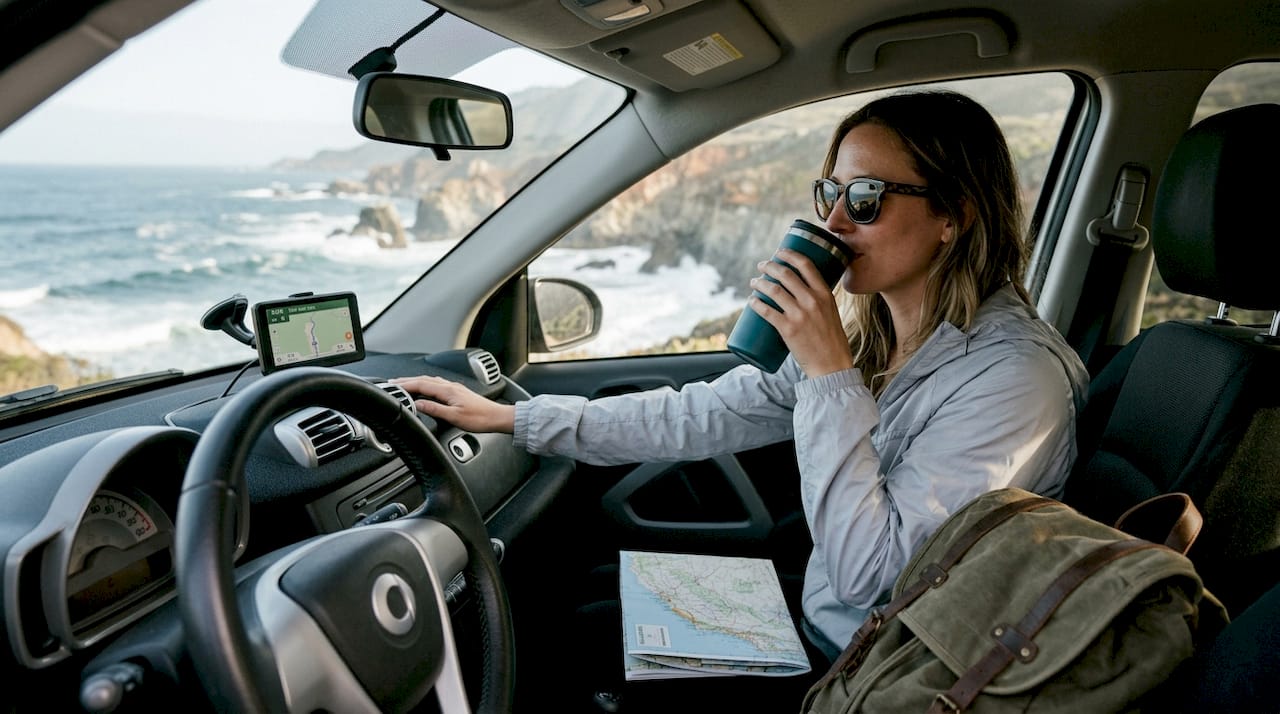
Key attractions and regions along the Ring Road
The Iceland travel Ring Road experience is ultimately defined by what you stop to see. And what you can see is extraordinary.
The Ring Road threads past Iceland’s most celebrated natural features: the South Coast waterfalls Seljalandsfoss and Skógafoss, the black sand beach at Reynisfjara with its basalt column formations, the vast Vatnajökull glacier (Europe’s largest by volume), the Jökulsárlón glacier lagoon, the volcanic crater landscapes of the north around Lake Mývatn, and the dramatic Dettifoss waterfall, considered Europe’s most powerful. These are not minor detours. Several are visible or accessible within minutes of leaving Route 1.
Top landmarks by region along the Ring Road:
- South Coast: Seljalandsfoss, Skógafoss, Reynisfjara beach, Dyrhólaey arch, Jökulsárlón glacier lagoon
- East Fjords: Stokksnes peninsula, Vestrahorn mountain, Lagarfljót lake with forest walks
- North Iceland: Lake Mývatn geothermal area, Dettifoss, Goðafoss waterfall, Húsavík whale watching
- West Iceland: Snæfellsnes peninsula access, Hraunfossar waterfalls, lava tube caves
“There are no strict rules for how to drive the trip. You can drive the full loop or cherry-pick by region or attraction.” Icelandair’s Ring Road guide
That flexibility is actually one of the Ring Road’s most underappreciated qualities. Not everyone needs or wants to complete the full 1,322 km. A traveler with 5 days can focus entirely on the South Coast and East Fjords and have a deeply satisfying trip. A group with 12 days can cover every region at a comfortable pace. The route rewards both approaches equally.
For travelers curious about guided options, this post on Icelandic bus tours outlines how structured tours pair well with Ring Road itinerary planning for groups who prefer not to self-drive.
Planning your Ring Road trip: Expert tips and common pitfalls
Here is where most travelers lose time, money, or enjoyment. The planning phase matters as much as the trip itself.
The core planning mistake is underestimating how much time attractions add. You can drive the loop in 16 to 17 hours in theory. But in practice, stopping for a 45-minute waterfall walk, a glacier hike, or a boat tour adds hours per day. The math changes the entire schedule.
Five-step framework for a well-planned Ring Road trip:
- Set your total days first, then assign regions, not the reverse
- Cluster 2 to 3 nights near major attraction zones rather than moving hotels every day
- Budget attractions and entrance fees separately from your daily transport and food budget
- Plan the Golden Circle as a dedicated day or half-day excursion, not as part of Ring Road mileage
- Leave 20% of your daily driving schedule open for weather, photo stops, or spontaneous detours
Daily budget snapshot for two travelers:
| Budget category | Low season estimate | High season estimate |
|---|---|---|
| Car rental | $50–$80/day | $80–$150/day |
| Fuel | $30–$50/day | $30–$50/day |
| Accommodation | $80–$120/night | $120–$200/night |
| Food | $60–$100/day | $80–$130/day |
| Total daily estimate | $150–$250 | $250–$350 |
The daily budget range for two travelers runs approximately $150 to $350 depending on season and booking timing. Summer prices for accommodation spike sharply, especially near Vík and Reykjavík.
Vehicle choice matters more for your detours than for Route 1 itself. The Ring Road is entirely paved. A 2WD handles it in summer. But the moment you want to explore highland roads, you legally need a 4×4. Many travelers book a cheaper 2WD and then find themselves unable to reach destinations they planned for.
Pro Tip: Basecamp your stays in two or three anchor towns like Vík for the South Coast, Egilsstaðir for the East, and Akureyri for the North. This cuts your driving time significantly and lets you explore each region more deeply on day trips.
Detailed guides on bus services in Iceland are worth reviewing if your group is large enough that self-driving becomes logistically complicated. You can also find inspiration on secret scenic spots tucked away from the main route.
Rethinking the Ring Road: What most travelers miss about Iceland’s iconic route
Most articles about the Ring Road tell you what to see. Fewer tell you why so many travelers come back feeling like they rushed.
The issue is the framing. People treat the Ring Road like a checklist. Drive to waterfall. Photograph. Drive to glacier. Photograph. The road becomes a conveyor belt and Iceland becomes a backdrop. The travelers who get the most out of it are the ones who pick fewer stops and stay longer at each one.
The concept of “basecamp nights” is one of the most practical strategies in Iceland ring road planning. Rather than moving your accommodation every single night, anchor yourself near a cluster of attractions and explore them over two or three days. You stop wasting daylight hours loading luggage and checking into new rooms.
There is also the Golden Circle misconception. Famous sights like the Golden Circle sit on a separate route from Route 1 entirely. Travelers who build these into their Ring Road mileage calculations end up confused when they realize the distances do not add up. Plan the Golden Circle as its own day, branching off from Reykjavík before or after your Ring Road loop starts.
Weather flexibility is the other variable most guides underestimate. Iceland’s weather changes fast. A morning planned around a glacier walk can close due to wind. The travelers who build in buffer days, rather than scheduling every hour, consistently report better trips. The road is the same. The mindset determines the experience.
If you want a taste of what lies beyond the roadside, this guide to hidden hot springs tours shows what is possible when you leave the main highway to explore properly.
Start your Ring Road adventure with Tripiceland
Planning a Ring Road trip involves more than booking a flight and hoping for the best. Transport is where plans succeed or fall apart.
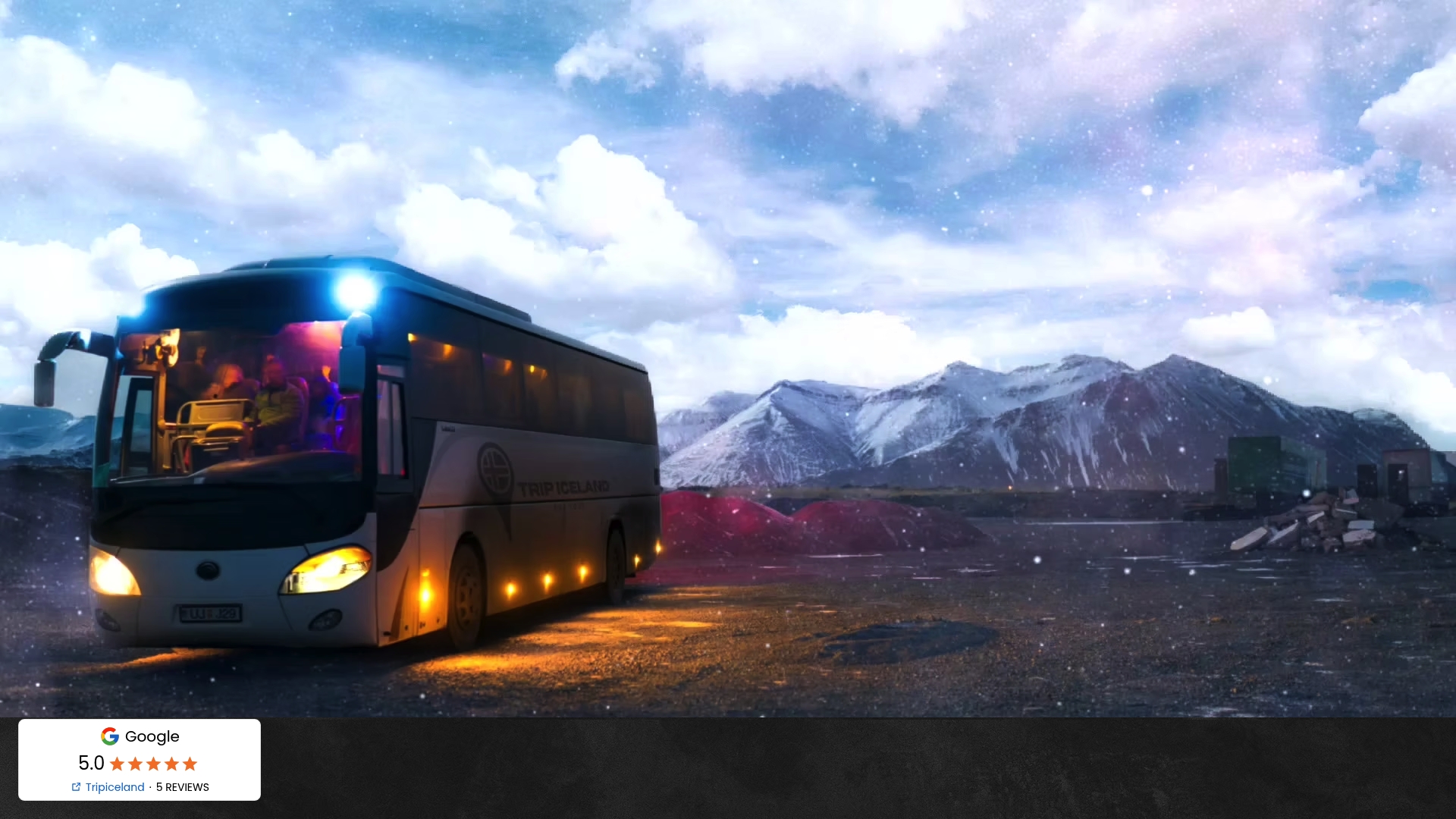
Tripiceland offers vehicles and transport solutions scaled to every group size, from 1 to 8 passenger cars for small groups to buses handling 10 to 48 passengers for larger parties. Whether you are a travel agent organizing a group tour, a corporate team planning a company retreat across Iceland, or a private group wanting flexible and reliable transport along the Ring Road, Tripiceland’s full fleet of options supports itineraries of every shape. Their team understands Iceland’s roads, seasonal conditions, and logistics in ways that make your planning faster and more confident. Get in touch with Tripiceland to find the right vehicle and support for your journey.
Frequently asked questions
How long does it take to drive Iceland’s Ring Road without stops?
Driving the entire Ring Road without stopping takes approximately 16 to 17 hours, but most travelers spread the journey over 7 to 10 days to visit attractions properly.
Is a 4×4 vehicle necessary for driving the Ring Road in summer?
No. A standard 2WD car handles the fully paved Ring Road in summer without issues; a 4×4 becomes necessary in winter and for any detours onto unpaved F-roads.
Can you drive the Ring Road year-round in Iceland?
Yes. Route 1 is generally open year-round, though winter conditions can cause temporary segment closures and significantly more difficult driving on ice and snow.
What regions and attractions are accessible from the Ring Road?
The Ring Road connects the South Coast, East Fjords, North Iceland geothermal areas including Lake Mývatn, and West Iceland’s lava fields, with major waterfalls, glaciers, and beaches accessible along the way.
How much should I budget daily for a Ring Road trip in Iceland?
A realistic daily budget for two travelers runs $150 to $350 per day, covering car rental, fuel, accommodation, and food, with costs rising noticeably during peak summer months.
Recommended
- Discovering Iceland’s Golden Circle: From Iconic Stops to Hidden Gems – Your Ultimate Bus Rental Guide
- Uncovering Iceland’s Best-Kept Secrets: A Bus Traveler’s Ultimate Handbook
- Discover the Best Bus Tours in Iceland | tripiceland Blog
- Have You Heard About These Secret Spots? A Casual Guide to Scenic Bus Tours in Iceland