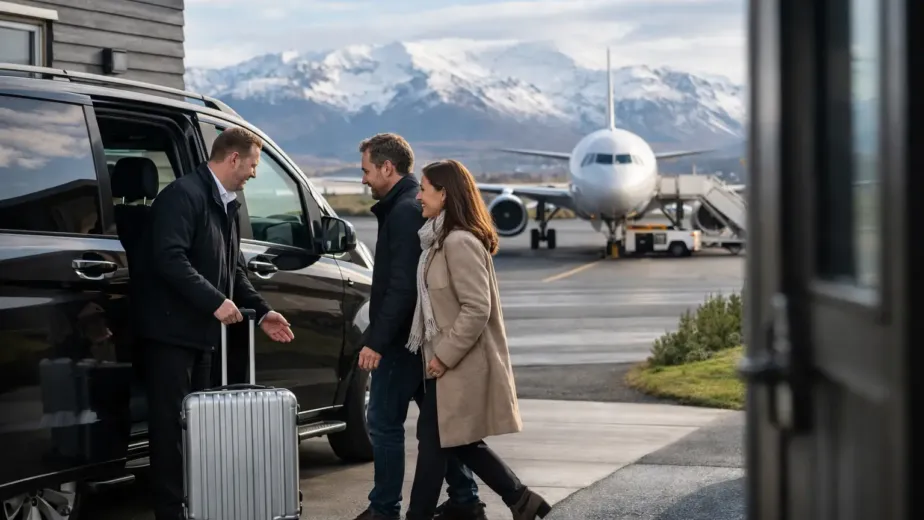
The Golden Circle is often described as a day trip, but the experience can feel very different depending on how you travel. A rushed bus schedule, a slippery winter parking lot, or a long line at a popular viewpoint can take attention away from what you came to see. Knowing how to visit Golden Circle well means planning for the route, the season, and the pace that suits your party.
For couples, families, and private groups, the most comfortable approach is usually to leave Reykjavík with a flexible plan, reliable transportation, and enough time to enjoy each stop without watching the clock. The route is manageable in one day, but it deserves more than a quick drive between parking lots.
Understand the Golden Circle Route
The classic Golden Circle is a loop east of Reykjavík that connects three essential sights: Þingvellir National Park, the Geysir geothermal area, and Gullfoss waterfall. Most visitors also add a few smaller stops, such as Kerið Crater, Friðheimar greenhouse, or the Secret Lagoon.
Driving the full route from Reykjavík and back typically takes about four to five hours without stops. Once you include sightseeing, meals, walking paths, weather delays, and photo breaks, a realistic day is seven to nine hours. In winter, when daylight is limited and roads can be affected by snow or ice, it is wise to allow additional time.
The route is accessible year-round, but the right itinerary depends on your interests. First-time visitors generally want to prioritize the three main landmarks. Travelers who have visited Iceland before may prefer a slower day with geothermal bathing, local food, or less hurried time at Þingvellir.
Choose Between Self-Drive, Group Tour, and Private Travel
There is no single answer for every traveler. Your best option depends on how comfortable you are driving in Iceland, how much flexibility you want, and whether you value a fixed price per person or a more personal experience for your group.
Self-driving offers independence, with added responsibility
A rental car gives you control over your departure time and stops. It can be a good choice in stable summer conditions for travelers who are confident driving on unfamiliar roads. Still, the day involves navigation, parking, changing weather, and keeping track of road conditions. The driver also misses some of the opportunity to relax and take in the scenery.
Winter driving deserves particular care. Wind, snow, ice, darkness, and sudden weather changes are all possible. Before leaving Reykjavík, check road and weather conditions, make sure your vehicle is properly equipped, and avoid treating the Golden Circle as a route that must be completed regardless of the forecast.
Group tours are simple but follow a set schedule
A shared coach tour can be a practical option for solo travelers or those focused on cost. The trade-off is a fixed pickup time, a fixed route, and limited time at each attraction. You will also be traveling at the same pace as the rest of the group, including at restrooms, cafés, and photo stops.
For some visitors, that structure is perfectly adequate. For a family with young children, a honeymoon couple, or a small party celebrating a special occasion, a tighter schedule can feel less relaxing than expected.
Private transportation gives you more control over the day
A private Golden Circle tour combines the ease of having a professional driver with the freedom to shape the experience around your group. You can choose a pickup time that works for your plans, spend longer at the places you enjoy most, and adjust the route when weather or crowd levels call for it.
With Iceland Direct Tours, private travel is designed around direct pickup, modern vehicles, and a pace tailored to your party. It is especially useful when you want the day to feel organized without feeling rigid. The per-vehicle format can also be a strong value for couples, families, and small groups traveling together.
Plan Your Golden Circle Stops in the Right Order
Most Golden Circle trips travel from Reykjavík to Þingvellir first, then continue to Geysir and Gullfoss before returning by a southern route. This order works well because it builds naturally from historic landscapes to geothermal activity and then to one of Iceland’s most powerful waterfalls.
Start at Þingvellir National Park
Þingvellir is where Iceland’s early parliament was established more than a thousand years ago, and it sits within a dramatic rift valley between the North American and Eurasian tectonic plates. The site is large, so do not expect to see every trail in a short visit.
For most first-time visitors, walking through Almannagjá gorge and taking in the views over Þingvallavatn is enough to understand the scale of the place. Wear shoes with good grip, particularly from late fall through early spring, when paths can be icy. If snorkeling at Silfra is part of your plan, allow significantly more time and arrange it in advance.
See Strokkur at the Geysir geothermal area
The active geyser you are most likely to see erupt is Strokkur, which typically sends water into the air every few minutes. The original Great Geysir is less predictable, but the entire area is worth exploring for its bubbling mud pools, steaming vents, and mineral-colored ground.
Stay on marked paths and respect all safety signs. Geothermal water is extremely hot, even when it looks inviting on a cold day. A visit of 30 to 45 minutes is usually sufficient, though many travelers also stop here for coffee, lunch, or a restroom break.
Give Gullfoss enough time
Gullfoss is not a waterfall you should view only from the parking area. Its two-tiered drop into a rugged canyon changes character with the weather, the season, and the water flow. On a clear day, you may see rainbows in the spray. In winter, the ice and snow create a completely different atmosphere.
There are several viewing areas, and the lower path can be more exposed to wind and mist. Bring a waterproof outer layer and secure hats, gloves, and phones before approaching the falls. If conditions are poor, a professional local driver can help you make sensible decisions about how long to stay and which areas are safest to access.
Add Extra Stops Only When They Improve Your Day
The Golden Circle has more to offer than its headline attractions, but trying to include every stop often creates an unnecessarily long day. Select one or two additions based on what matters to you.
Kerið Crater is a convenient choice for travelers who enjoy short walks and volcanic landscapes. The Secret Lagoon is a quieter, historic-style bathing option that can be especially welcome on a cold or rainy day. Friðheimar offers a memorable greenhouse lunch experience, though reservations are often advisable. Some private itineraries can also include waterfalls, local farms, or a scenic detour that larger buses cannot easily accommodate.
The key is to leave room for the unexpected. A sudden burst of sunlight at Þingvellir, a long lunch with your family, or extra time beside Gullfoss may become the part of the day you remember most.
Dress for the Conditions, Not the Forecast Alone
Icelandic weather can shift quickly, and the Golden Circle is exposed in many places. Even in summer, wind and rain can make a mild temperature feel cold. In winter, you may move between dark mornings, bright snow, strong wind, and icy ground within a few hours.
Dress in layers, beginning with a warm base layer and adding an insulating mid-layer and waterproof outer shell. Waterproof shoes or boots with sturdy soles are more useful than fashionable footwear. Bring gloves, a hat, and a small day bag for water, snacks, medication, and a portable charger. Sunglasses can be helpful year-round because of low winter sun and glare from snow or water.
If you are traveling with children, pack an extra layer for them and plan brief warm-up breaks. Comfort is not a minor detail on this route. It determines how much time everyone can genuinely enjoy outdoors.
Time Your Departure for Crowds and Daylight
In summer, an earlier departure can help you reach popular stops before the busiest coach arrivals. Long daylight hours offer more freedom, so you may choose a relaxed morning start and return later in the evening. In winter, daylight is the priority. Departing promptly after breakfast gives you the best chance to see the major sights in natural light.
Crowds are not always avoidable at the Golden Circle, particularly during peak travel months. What you can control is your rhythm. A private itinerary may allow you to pause for lunch while a busy stop is at its peak, or stay a little later when other groups have moved on.
Make the Return Journey Part of the Experience
The route back to Reykjavík is not simply the end of the trip. It is a chance to rest, look through your photos, and enjoy Iceland’s open countryside without worrying about directions or road conditions. If your schedule allows, you may stop for a warm drink, a local meal, or one final viewpoint before returning to the city.
A well-planned Golden Circle day should leave you with energy for dinner in Reykjavík, not the feeling that you have completed a race. Give the route the time, comfort, and flexibility it calls for, and Iceland’s most famous day trip can still feel distinctly your own.